


The Four Core Technical Pathways for Synthetic Sustainable Aviation Fuel (SAF)

Currently, the industry typically adopts three pathways to advance the R&D and application of SAF: Hydroprocessed Esters and Fatty Acids (HEFA), Alcohol-to-Jet (ATJ), and Fischer-Tropsch (FT) synthesis. Each of the three has its own advantages but faces varying degrees of raw material and cost bottlenecks. However, as the industry gradually moves towards the goals of "deep emission reduction" and "zero raw material restrictions", the Power-to-Liquid (PtL) process is emerging as the ultimate development direction in global consensus.
This article will introduce the industry's pathways from the dimensions of technology, raw materials, cost, and scalability, and focus on why PtL, with its disruptive potential, has become the core direction of our company's R&D.
HEFA
01
A Mature but Constrained Transitional Route
-
Limited global waste oil resources -
Potential competition with the food and agricultural systems -
Significant fluctuations in raw material prices
Therefore, HEFA is more of a current solution rather than a future ultimate solution.
ATJ
02
Diversified Raw Materials, but Still in the Early Demonstration Stage
-
Bio-fermentation of waste sugars to produce ethanol -
Pyrolysis of lignocellulosic biomass to produce ethanol -
Gas fermentation of municipal solid waste and industrial waste gas to produce ethanol
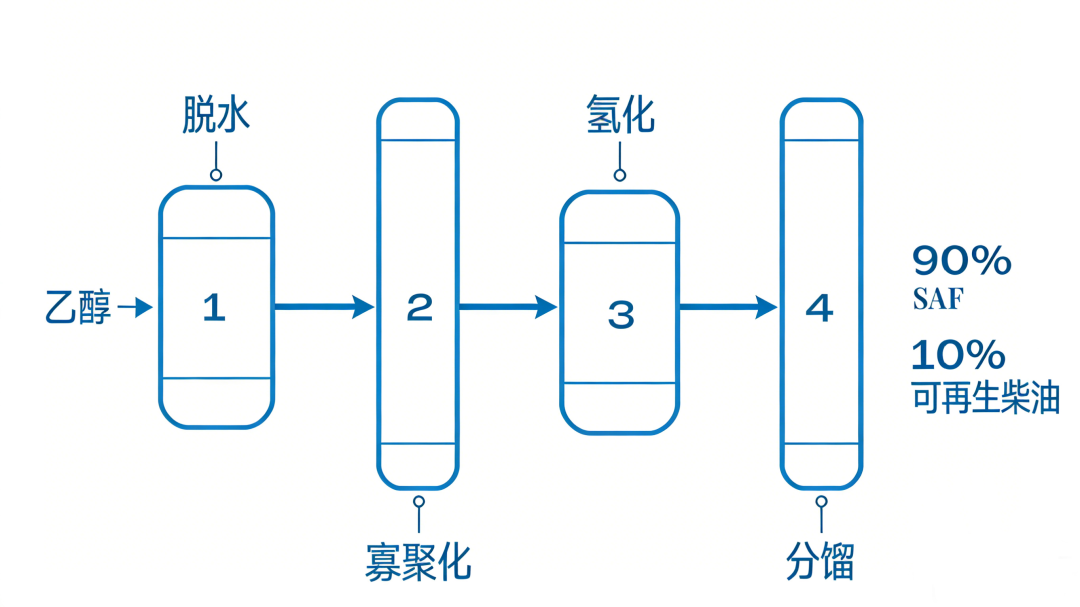
LanzaJet流程示意图
-
Unstable ethanol storage and quality -
Still low conversion efficiency -
Long production chain and high cost
FT
03
High Engineering Complexity
Fischer-Tropsch (FT) synthesis process produces syngas from biomass/solid waste, and then obtains synthetic crude oil through FT synthesis. The technical principle is mature, but its commercialization difficulty lies in:
-
High cost of front-end syngas production -
Complex gas purification process -
High engineering integration and large investment
Therefore, although FT can theoretically be scaled up to a large size, it is still limited to demonstration projects in the short term. Currently, Johnson Matthey & BP are focusing on this route.
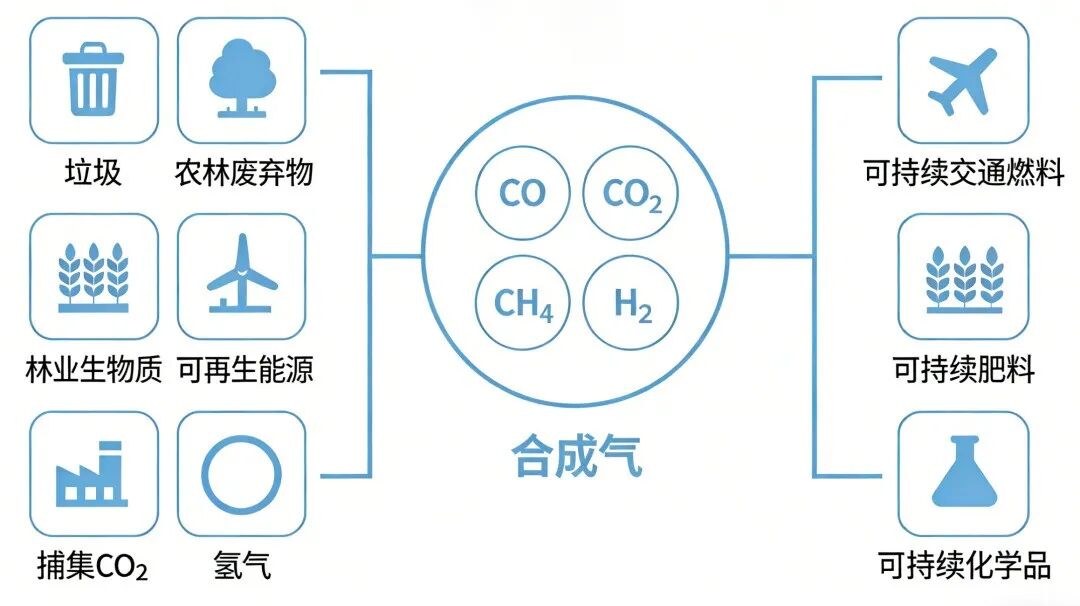
PtL
04
The Globally Recognized Ultimate Route
The Power-to-Liquid (PtL) pathway uses green electricity as energy, obtains carbon sources through Direct Air Capture (DAC), electrolytically reduces CO₂ to CO and electrolyzes to produce green hydrogen, and then performs FT or hydrogenation reactions to obtain hydrocarbons and alcohols such as jet fuel. Among all technical pathways, PtL technology is highly anticipated globally due to its raw material independence and extremely low carbon footprint, representing the cleanest and most advanced direction of SAF production technology. Carbonology chooses air-sourced PtL as the core of its R&D based on the following advantages:
1.Unlimited Raw Materials:
Unlike other pathways, Carbonology's air-sourced PtL uses only two raw materials:
-
Water -
Air
Regardless of changes in global population growth, agricultural structure, or solid waste policies, air-sourced PtL will not be constrained by the supply side. This means that air-sourced PtL is the most potential route that can support the comprehensive decarbonization needs of the global civil aviation industry.
2.Strongest Carbon Emission Reduction Capacity: Truly Net Zero in the Whole Life Cycle
Since the carbon source of air-sourced PtL comes from Direct Air Capture (DAC), its life cycle emissions can be reduced to nearly zero. Currently, air-sourced PtL is regarded as the highest-grade SAF by policies.
Therefore, as a medium and long-term solution, air-sourced PtL, with the advantages of low cost, stable raw material sources, and scalable deployment, is expected to become a key technical pathway for SAF synthesis. It is estimated that in the future, the demand for SAF will reach 1/2 conservatively; among them, e-SAF will account for 3/4.
Our R&D and Planning for Air-Sourced PtL
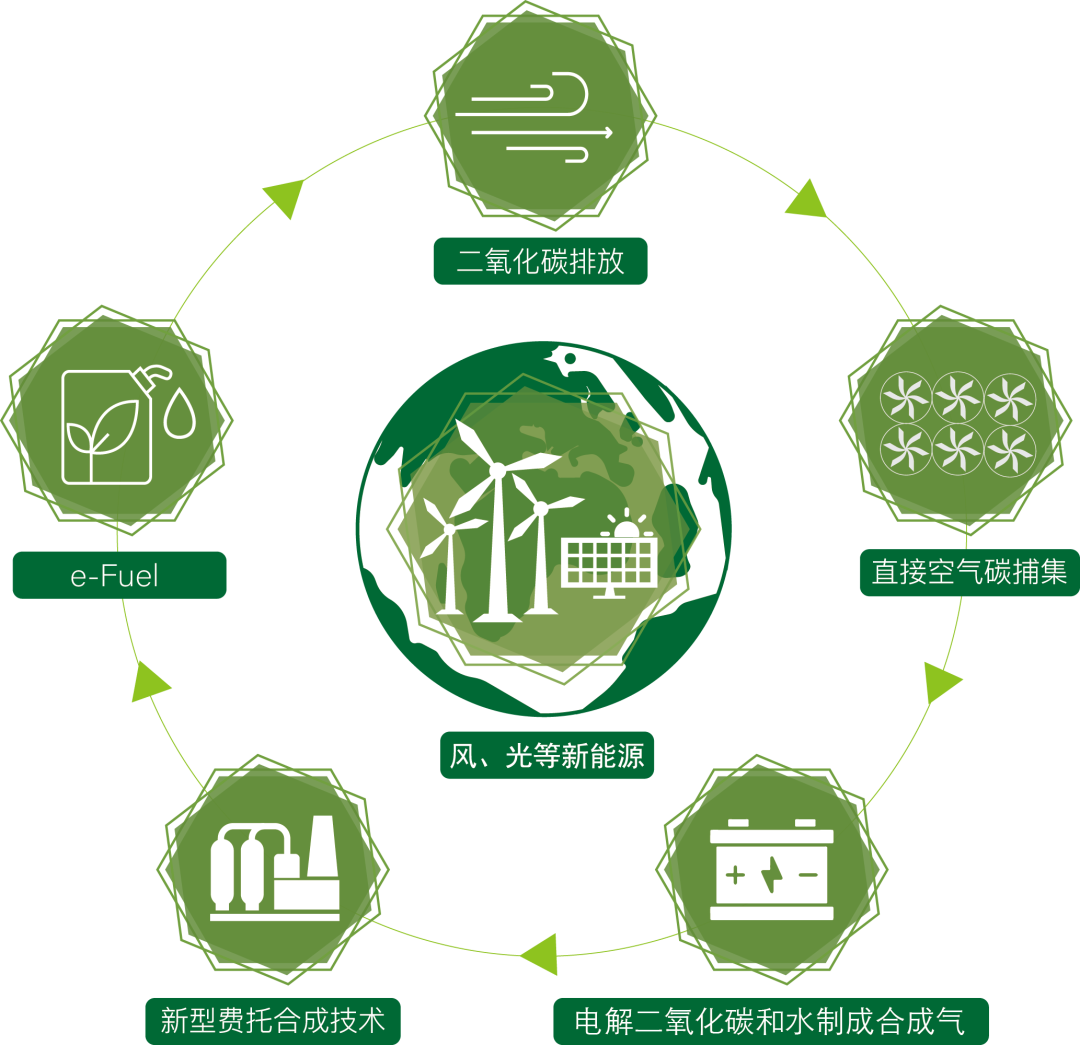
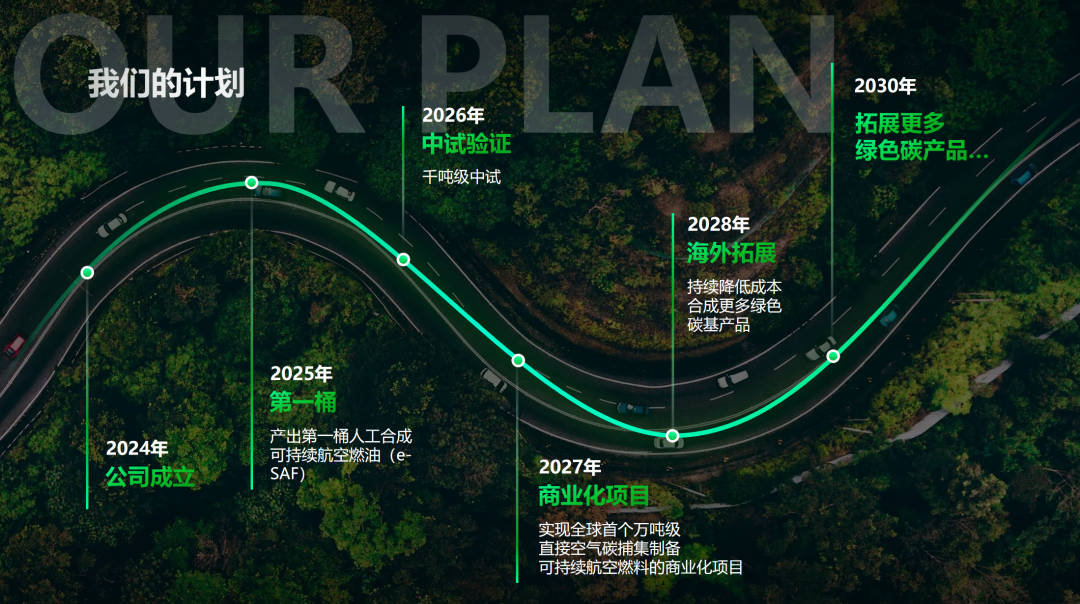
We will complete the construction of the 100-ton project by the end of 2025, plan to scale up simultaneously in 2026 for 1,000-ton verification, conduct 10,000-ton commercial application in 2027, and start overseas project development in 2028.

&media=https://en.carbonology.com/wp-content/uploads/2026/01/en-3.jpg)